
Table of Contents
ToggleBeauty breakdown trends 2026 are shaping up to redefine how people approach skincare, makeup, and self-care. The industry is shifting toward smarter formulas, cleaner ingredients, and tech-powered solutions that deliver real results. Consumers want products that work, and they want to know exactly what’s in them.
This year, expect a blend of bold aesthetics and thoughtful innovation. From minimalist routines to statement makeup looks, the beauty breakdown trends 2026 reflect a desire for both simplicity and self-expression. Sustainability continues to drive purchasing decisions, while AI and personalization tools make custom beauty more accessible than ever.
Here’s what’s coming and why it matters.
Key Takeaways
- Beauty breakdown trends 2026 emphasize smarter skincare formulas with proven actives like peptides, niacinamide, and barrier-repairing ceramides.
- Minimalist routines with multi-functional products are replacing cluttered 10-step regimens as consumers prioritize simplicity and effectiveness.
- Bold makeup looks featuring bright eyeshadows, graphic liners, and unconventional blush placement are making a strong comeback alongside minimalist skincare.
- Sustainability drives purchasing decisions, with brands adopting refillable packaging, waterless formulas, and ethical ingredient sourcing.
- AI-powered personalization, including virtual try-ons, skin analysis apps, and DNA-based recommendations, is becoming the new beauty standard.
- The beauty breakdown trends 2026 reflect a balance between self-expression and conscious consumption, giving consumers more options without rigid rules.
Skincare Innovations Taking Center Stage
Skincare leads the beauty breakdown trends 2026 conversation. Brands are prioritizing active ingredients with proven efficacy over flashy marketing claims. Retinoids, peptides, and niacinamide remain popular, but newer compounds like bakuchiol and tranexamic acid are gaining traction.
Barrier repair is a major focus this year. Products designed to strengthen the skin’s natural defenses are selling fast. Think ceramide-rich moisturizers, gentle exfoliants, and formulas that support the microbiome. Consumers have learned that healthy skin starts with a strong barrier, and brands are responding.
Fermented ingredients are another standout. Fermentation breaks down active compounds into smaller molecules, which can improve absorption. Korean beauty brands pioneered this approach, and now Western labels are catching up. Fermented rice, soy, and green tea extracts appear in serums and essences across price points.
Skin cycling continues to influence routines. This method alternates between active treatments and recovery nights. It reduces irritation while still delivering results. Dermatologists endorse it, and social media has helped spread the practice to millions of users.
Another shift? Fewer products, better outcomes. People are tired of 10-step routines. They want three to five products that actually do something. Brands that simplify their messaging, and their formulas, are winning loyalty.
The Rise of Minimalist and Clean Beauty
Minimalism defines the beauty breakdown trends 2026 aesthetic. Consumers are rejecting cluttered vanities and overwhelming product lines. They want streamlined routines with multi-functional products.
Clean beauty has matured beyond a buzzword. Shoppers now demand transparency about ingredient sourcing, manufacturing processes, and third-party testing. “Clean” no longer means “free from chemicals”, it means safe, effective, and honest. Brands that greenwash or mislead face quick backlash on social media.
Ingredient lists are getting shorter. Products with five to ten ingredients appeal to buyers who want simplicity. This trend also benefits people with sensitive skin, who often react to complex formulas.
Refillable packaging supports the minimalist movement. Instead of buying a new bottle every time, consumers purchase refills at lower cost. This reduces waste and reinforces the idea that beauty doesn’t require excess.
The “skinimalism” trend persists. Light coverage foundations, tinted moisturizers, and skin tints let natural texture show through. People want to look like themselves, just a bit more polished. Heavy foundations and full-coverage concealers are losing ground to products that enhance rather than mask.
Minimalist branding also resonates. Clean labels, simple fonts, and muted color palettes signal quality. Consumers associate this aesthetic with trustworthiness and sophistication.
Bold Makeup Looks Making a Comeback
While minimalism dominates skincare, makeup tells a different story. The beauty breakdown trends 2026 include a return to bold, expressive looks. Color is back in a big way.
Bright eyeshadows in electric blue, neon pink, and lime green are appearing on runways and in everyday routines. Graphic liner, think geometric shapes and floating creases, allows for creative expression. These looks require skill, but tutorials on TikTok and YouTube make them accessible.
Lips are getting bolder too. Deep berry shades, classic reds, and even black lipstick are trending. Glossy finishes compete with matte formulas for attention. Some people layer both for a multidimensional effect.
Blush placement has changed. Instead of subtle cheek color, people apply blush higher, across the nose, under the eyes, and even on the forehead. This “sunburned” or “blushed-all-over” look creates a youthful, flushed appearance.
Glitter and shimmer are making a strong comeback. Metallic eyeshadows, body glitter, and highlighters add drama to evening looks. Festival-inspired makeup has moved into mainstream beauty routines.
The beauty breakdown trends 2026 embrace contradiction. Minimalist skincare paired with maximalist makeup lets people express different moods. A bare-faced morning can lead to a colorful evening look. Beauty is about options, not rules.
Sustainable and Eco-Conscious Beauty Practices
Sustainability remains central to beauty breakdown trends 2026. Consumers expect brands to reduce environmental impact without compromising product quality.
Packaging innovation leads the charge. Brands are switching from plastic to glass, aluminum, and paper-based materials. Some companies offer packaging-free options like solid shampoo bars and naked lip balms. Refill stations in stores allow customers to replenish products without generating new waste.
Carbon-neutral and carbon-negative commitments are becoming standard. Major beauty companies are investing in renewable energy, offsetting emissions, and sourcing ingredients locally. Certifications like B Corp status signal genuine commitment rather than marketing spin.
Waterless beauty products are gaining popularity. Concentrated formulas, powders, balms, and solid serums, require less water in production and shipping. They also last longer, which appeals to budget-conscious shoppers.
Ethical sourcing matters more than ever. Consumers want to know where ingredients come from and whether workers receive fair wages. Mica, for example, has faced scrutiny due to child labor concerns in some mining operations. Brands that trace their supply chains and share that information build trust.
Cruelty-free and vegan formulas continue to grow. Many countries have banned animal testing for cosmetics, and consumers in markets without bans still prefer cruelty-free options. Plant-based alternatives to animal-derived ingredients, like squalane from sugarcane instead of shark liver, are now industry standard.
Technology-Driven Personalization in Beauty
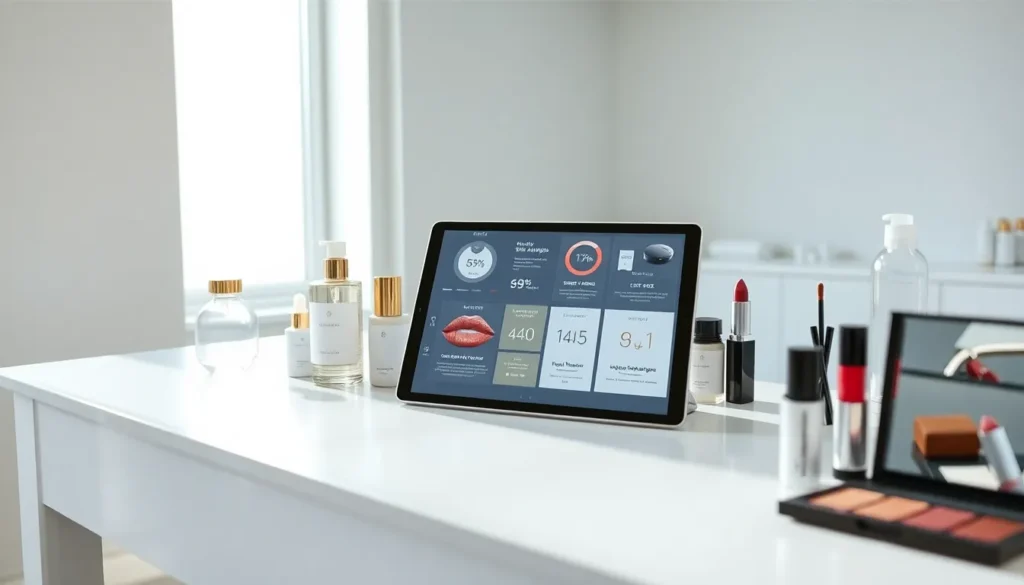
Technology powers many beauty breakdown trends 2026 developments. AI and machine learning help brands create personalized products and experiences.
Virtual try-on tools have improved dramatically. Consumers can test lipstick shades, eyeshadow palettes, and even hair colors using their phone cameras. These tools reduce returns and help people make confident purchases online.
Skin analysis apps use photos to assess concerns like acne, hyperpigmentation, and fine lines. Based on results, the apps recommend specific products or routines. Some brands offer custom-blended serums formulated from these assessments.
DNA-based beauty is no longer science fiction. Companies analyze genetic markers to predict how skin will age, which ingredients work best, and what conditions someone might develop. This data informs truly personalized product recommendations.
3D printing enters the beauty space. Custom-fit sheet masks, printed foundation shades mixed on demand, and personalized lipstick bullets are all possible. While still emerging, this technology could reshape how products reach consumers.
Smart devices complement traditional beauty routines. LED masks, microcurrent tools, and ultrasonic cleansing brushes deliver spa-level treatments at home. These devices connect to apps that track usage and suggest adjustments based on progress.
The beauty breakdown trends 2026 show that personalization isn’t a luxury, it’s becoming the standard. Consumers expect products that address their specific needs, and technology makes that possible at scale.