
Table of Contents
ToggleParenting wisdom examples offer parents practical guidance that stands the test of time. Every parent faces moments of doubt, the toddler meltdown in aisle three, the teenage eye roll, the constant question of “Am I doing this right?” These moments call for more than quick fixes. They require deeper understanding.
The best parenting wisdom doesn’t come from trendy methods or viral hacks. It comes from principles that have worked across generations. Parents who apply this wisdom raise children who handle challenges, build strong relationships, and develop genuine confidence. This article explores what parenting wisdom means, shares classic examples, and shows how to use these lessons every day.
Key Takeaways
- Parenting wisdom examples focus on timeless principles like patience, presence, and allowing natural consequences rather than trendy quick fixes.
- Practicing patience and giving children your full attention builds trust, confidence, and a stronger parent-child bond.
- Letting natural consequences teach lessons helps children connect their choices to outcomes without resentment toward parents.
- Pause before reacting to misbehavior—this small habit prevents impulsive responses and opens space for wiser parenting decisions.
- Model the behavior you want to see, as children learn more from watching their parents than from hearing lectures.
- Accept imperfection in yourself and your children—wise parents apologize for mistakes and show that relationships can recover from conflict.
What Is Parenting Wisdom?
Parenting wisdom refers to the accumulated knowledge and insight that helps parents make sound decisions. It goes beyond rules and discipline tactics. True parenting wisdom includes emotional intelligence, long-term thinking, and the ability to adapt.
This type of wisdom often comes from experience. Parents learn what works through trial and error. They also learn from their own parents, from mentors, and from watching other families. Some parenting wisdom examples include knowing when to step back, understanding that children need room to fail, and recognizing that connection matters more than perfection.
Parenting wisdom also involves self-awareness. Wise parents examine their own reactions. They ask themselves why they feel frustrated or anxious. They consider how their childhood experiences shape their current parenting choices.
At its core, parenting wisdom means acting with intention rather than impulse. It means choosing responses that serve the child’s long-term growth, even when short-term solutions feel easier.
Classic Examples of Parenting Wisdom
Certain parenting wisdom examples appear across cultures and generations. These principles have helped countless families raise capable, emotionally healthy children.
Practicing Patience and Presence
Patience ranks among the most powerful parenting wisdom examples. Children develop at their own pace. They test boundaries repeatedly. They ask the same questions dozens of times. Parents who practice patience create safety for their children to learn without fear.
Presence matters just as much. A parent who puts down the phone and makes eye contact sends a clear message: “You matter.” Children notice when adults give them full attention. This presence builds trust and strengthens the parent-child bond.
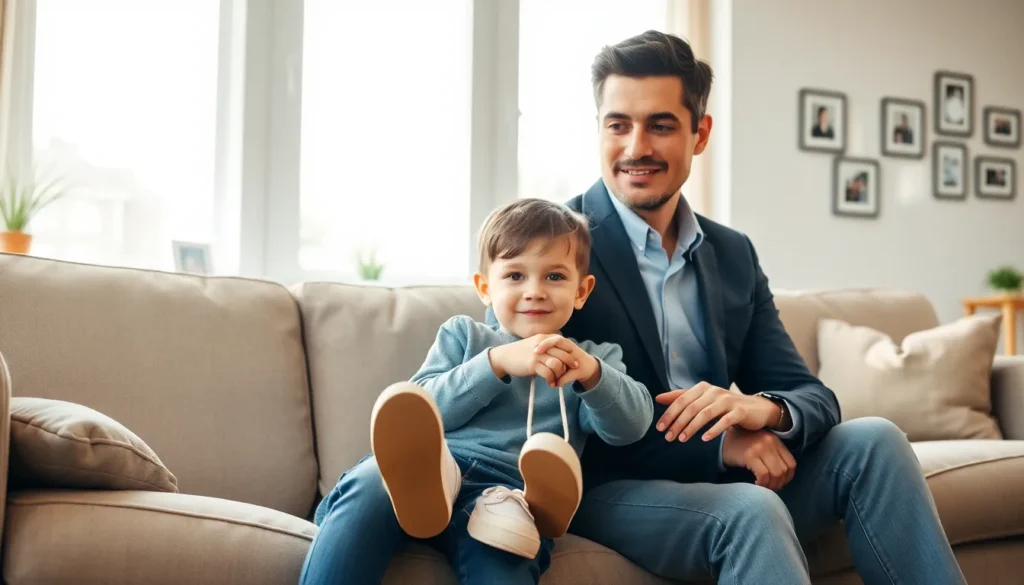
Consider a common scenario: A five-year-old struggles to tie their shoes. An impatient response, “Just let me do it”, saves time but teaches dependence. A patient response, “Take your time, you’re getting better”, builds confidence and resilience. The extra two minutes create lasting impact.
Practicing patience also means managing personal stress. Tired, overwhelmed parents snap more easily. Wise parents recognize when they need a break. They model healthy self-care for their children.
Teaching Through Natural Consequences
Another timeless parenting wisdom example involves letting natural consequences do the teaching. Instead of lecturing or punishing, parents allow reality to provide the lesson.
If a child refuses to wear a jacket, they feel cold. If a teenager stays up too late gaming, they feel exhausted at school. These experiences teach faster than any parent speech could.
Natural consequences work because they feel fair. The child connects their choice to the outcome. No resentment toward the parent clouds the lesson. The cause and effect remain clear.
Of course, parents must use judgment. Natural consequences only apply when the outcome is safe. A parent wouldn’t let a toddler learn about hot stoves through direct experience. But for lower-stakes situations, stepping back often proves the wisest move.
This approach requires parents to tolerate discomfort. Watching a child struggle feels hard. Yet allowing age-appropriate struggle builds problem-solving skills and independence.
How to Apply Parenting Wisdom in Daily Life
Knowing parenting wisdom examples is one thing. Applying them consistently is another. Here are practical ways to bring these principles into everyday family life.
Pause before reacting. When a child misbehaves or frustrates you, take a breath. Ask yourself what outcome you actually want. This small pause prevents reactive parenting and opens space for wiser responses.
Focus on connection first. Before correcting behavior, connect with your child. A child who feels understood cooperates more readily. A simple “I can see you’re upset” often works better than immediate discipline.
Pick your battles. Not every issue deserves a confrontation. Wise parents distinguish between safety concerns and minor annoyances. They save their energy for what truly matters.
Model the behavior you want. Children watch what parents do more than what they say. Parents who want respectful kids speak respectfully. Parents who want patient kids demonstrate patience. This modeling represents parenting wisdom in action.
Accept imperfection, yours and theirs. Perfect parenting doesn’t exist. Mistakes happen. Wise parents apologize when they mess up. This teaches children accountability and shows that relationships can recover from conflict.
Seek input from trusted sources. Other parents, grandparents, counselors, and books offer valuable perspectives. Parenting wisdom grows through community and continued learning.