
Table of Contents
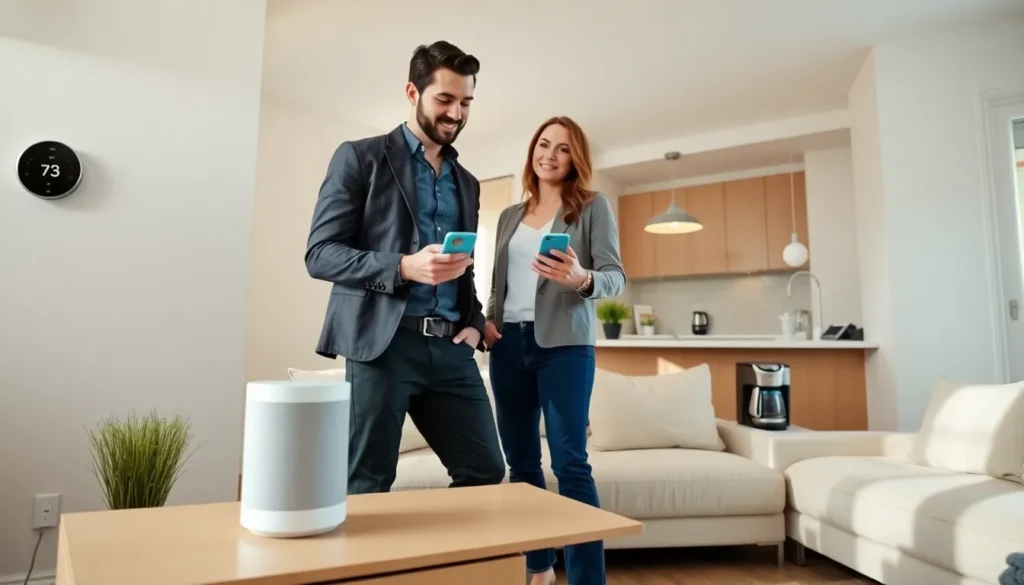
ToggleSmart home tech for beginners doesn’t have to feel overwhelming. Millions of people now control their lights, thermostats, and security systems with a simple voice command or smartphone tap. The technology has become affordable, accessible, and surprisingly easy to set up. This guide breaks down the basics of smart home technology, recommends starter devices, and explains how to build a connected home step by step. Whether someone wants to save energy, boost convenience, or simply impress their friends, smart home tech offers practical benefits for everyday life.
Key Takeaways
- Smart home tech for beginners starts easily with affordable devices like smart speakers, bulbs, and plugs that require minimal setup.
- Choose one ecosystem—Amazon Alexa, Google Home, or Apple HomeKit—and stick with it to avoid compatibility issues.
- Smart speakers act as central command hubs, letting you control lights, locks, and appliances with simple voice commands.
- Create automated routines to maximize convenience, such as triggering lights, coffee makers, and news with a single phrase like “good morning.”
- Prioritize security by changing default passwords, enabling two-factor authentication, and keeping device firmware updated.
- Read user reviews and choose reputable brands to ensure long-term reliability and easier future expansion of your smart home.
What Is Smart Home Technology?
Smart home technology refers to devices that connect to the internet and communicate with each other. These devices allow users to automate tasks, monitor their homes remotely, and control appliances through apps or voice commands.
At its core, smart home tech relies on wireless connectivity, typically Wi-Fi, Bluetooth, Zigbee, or Z-Wave. A user might install a smart thermostat that learns their schedule and adjusts temperatures automatically. Or they might add a video doorbell that sends alerts when someone approaches the front door.
The appeal of smart home tech lies in convenience and control. Forgot to turn off the lights? No problem, just open the app. Want to preheat the oven before getting home from work? That’s possible too. Smart home tech for beginners often starts with one or two devices and grows from there.
These systems typically connect through a central hub or work independently via Wi-Fi. Some devices, like smart speakers, can serve as control centers for an entire smart home ecosystem. The technology has matured significantly in recent years, making it accessible to anyone, not just tech enthusiasts.
Essential Smart Home Devices to Start With
New users often wonder where to begin. The good news? A few affordable devices can transform a regular home into a smart one.
Smart Speakers and Voice Assistants
Smart speakers serve as the gateway to smart home tech for beginners. Amazon Echo, Google Nest, and Apple HomePod are the most popular options. These devices respond to voice commands and can control other smart products in the home.
A smart speaker lets users play music, set timers, check the weather, and manage shopping lists, all hands-free. But the real power comes from integration. Once connected to other smart devices, the speaker becomes a central command hub. Someone can say “turn off the living room lights” or “lock the front door” without lifting a finger.
Voice assistants also improve over time. They learn preferences, recognize different voices, and suggest helpful routines based on usage patterns.
Smart Lighting and Plugs
Smart bulbs and plugs offer an easy, low-cost entry point. Brands like Philips Hue, LIFX, and Wyze produce bulbs that users can control remotely, schedule, and dim. Some even change colors to match moods or activities.
Smart plugs convert ordinary appliances into connected devices. Plug a lamp, fan, or coffee maker into a smart plug, and suddenly it responds to app controls and voice commands. This approach costs less than replacing every appliance with a smart version.
For beginners exploring smart home tech, lighting and plugs provide immediate satisfaction. The setup takes minutes, and the results are visible right away.
How to Set Up Your First Smart Home System
Setting up smart home tech doesn’t require an IT degree. Most devices follow a similar process that anyone can complete in under 30 minutes.
First, choose a primary ecosystem. The three major platforms are Amazon Alexa, Google Home, and Apple HomeKit. Each works best with devices designed for that ecosystem, though many products support multiple platforms. Pick one and stick with it to avoid compatibility headaches later.
Next, download the companion app for the smart device. Follow the on-screen instructions to connect the device to Wi-Fi. Most apps walk users through each step with clear prompts. Once connected, the device appears in the app and responds to commands.
After connecting a few devices, users can create routines or automations. A morning routine might turn on lights, start the coffee maker, and play the news, all triggered by a single phrase like “good morning.” These automations showcase the true potential of smart home tech for beginners.
Position devices thoughtfully. Place smart speakers in central locations for better voice pickup. Ensure smart hubs have strong Wi-Fi signals. Move devices if they experience connectivity issues.
Finally, keep firmware updated. Manufacturers regularly release updates that improve performance and security. Most apps offer automatic updates, but it’s worth checking periodically.
Tips for Choosing Compatible Devices
Compatibility matters more than people realize. A device that doesn’t work with existing equipment creates frustration instead of convenience.
Stick to one ecosystem whenever possible. If someone starts with Amazon Alexa, they should prioritize devices labeled “Works with Alexa.” Mixing ecosystems can work, but it often requires extra steps or third-party apps.
Check connectivity protocols before purchasing. Some devices use Zigbee or Z-Wave, which require a separate hub. Others connect directly to Wi-Fi. Neither approach is better, but buyers should know what they’re getting. Smart home tech for beginners works best when users understand these basics upfront.
Read reviews from real users. Product descriptions don’t always tell the full story. Reviews reveal connection issues, app problems, and long-term reliability. Look for patterns in feedback rather than isolated complaints.
Consider future expansion. A smart doorbell today might lead to a full security system tomorrow. Choosing devices from brands with broad product lines makes expansion easier. Companies like Ring, Nest, and Arlo offer entire ecosystems of compatible products.
Budget plays a role, but cheaper isn’t always better. Bargain devices sometimes lack security features or stop receiving updates after a year. Investing in reputable brands often saves money in the long run.
Security deserves attention too. Change default passwords, enable two-factor authentication, and avoid devices with known vulnerabilities. Smart home tech connects to the internet, which means proper security practices matter.